
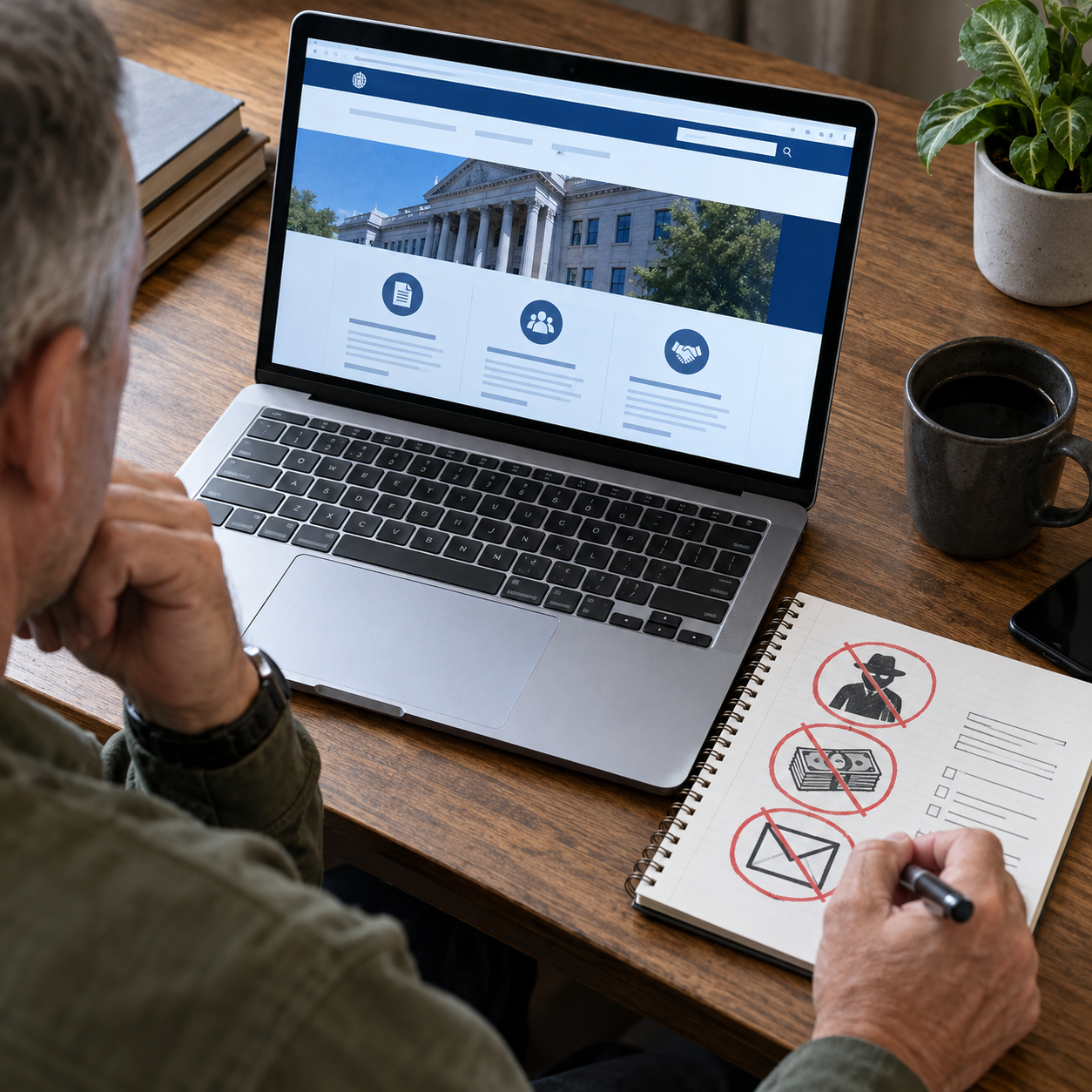
Search for “veteran grants” and the internet will happily produce thousands of pages promising free money. Many are vague directories designed to collect clicks. Some sell information that is available free. Others imitate government language, harvest personal data, charge unnecessary fees, or promise funding that does not exist.
Legitimate grants are real, but they are usually narrower and less magical than the advertisements suggest. They fund a defined purpose, require eligibility and competition, and come with deadlines, documentation, and accountability.
The safest search begins by replacing “Who will give me free money?” with “What exact project, organization, research, training, or public outcome am I trying to fund?”
Know What a Grant Usually Is
Federal grants generally fund programs and projects that serve a public purpose. They are not commonly personal cash awards for paying ordinary household bills, eliminating debt, or starting any business someone happens to imagine. Individuals can qualify for certain opportunities, but many federal grants are directed to governments, nonprofits, educational institutions, tribes, researchers, or eligible organizations.
Business funding may come through contracts, loans, competitions, incubators, state programs, or private foundations rather than a traditional grant.
Start With Official Sources
Grants.gov is the central place to search many federal grant opportunities. SAM.gov is used for federal registrations and includes assistance and contracting information. SBA explains that it does not provide grants for starting or expanding most ordinary small businesses, though limited programs support areas such as research, exporting, and community organizations.
For veteran-specific opportunities, review official VA, SBA, state veterans affairs, state economic development, and local government sites. Use .gov domains and follow links from known agencies rather than trusting sponsored search results.
Separate Personal Benefits From Grants
Disability compensation, education benefits, VR&E, pensions, health care, housing assistance, and emergency support may help veterans, but they are not interchangeable with competitive grants. A veteran searching for help with rent, medical care, education, or employment may find a benefit or assistance program more relevant than a grant.
Use VA.gov and accredited support organizations to identify the correct category.
Recognize the Warning Signs
Be cautious when someone guarantees approval, demands payment before releasing funds, asks for gift cards or cryptocurrency, claims you were selected for a grant you never applied for, pressures you to act immediately, or requests banking credentials through an unsolicited message.
The Federal Trade Commission warns that government agencies do not contact people out of nowhere to offer free grant money and do not require payment to receive a grant. A professional-looking seal does not make a website official.
Verify the Organization
Search the legal name, physical address, leadership, tax status, and history. For a nonprofit, check IRS tax-exempt records and state charity registrations where applicable. Read the actual guidelines, not only a blog post describing them. Confirm that prior recipients exist and that contact information matches the organization’s official domain.
If the opportunity uses a fiscal sponsor, partner, or application platform, verify that relationship directly with the funding organization.
Read Eligibility Before Writing
Grant applications fail quickly when applicants ignore geography, entity type, project purpose, matching-fund requirements, veteran status, revenue limits, or allowable costs. Read every requirement before investing hours in a narrative.
Create a checklist. If one mandatory condition is not met, look for a different opportunity rather than trying to write around it.
Build a Reusable Grant File
Keep formation documents, budgets, biographies, veteran-status documentation when legitimately required, project descriptions, financial statements, letters of support, and past-performance examples organized. Protect sensitive information and share only what the verified application requires.
Track deadlines, questions, submission confirmations, and reporting obligations. A real award can require significant administration after the celebration.
Do Not Let Desperation Override Verification
Scammers target urgency. The person facing a financial crisis is more likely to overlook a strange email address, invented deadline, or request for payment. Pause before transmitting information or money. Contact the agency through a phone number or website you locate independently.
If immediate help is needed, contact accredited veteran-support organizations, VA resources, state agencies, or 211 rather than waiting for a competitive grant cycle.
The Best Opportunity Is Specific and Verifiable
A legitimate grant should tell you who funds it, who qualifies, what it supports, how applications are evaluated, when decisions occur, and what recipients must report.
You do not need a secret list.
You need a defined goal, official sources, patient verification, and the discipline to walk away from promises that cannot survive basic questions.
Accuracy note: Grant availability and eligibility change frequently. Verify every opportunity with the funding agency and official application materials.


Leave a Reply